86-0573-88960598 / Sales & Service Support
Email:fuluo@jxfuluo.com
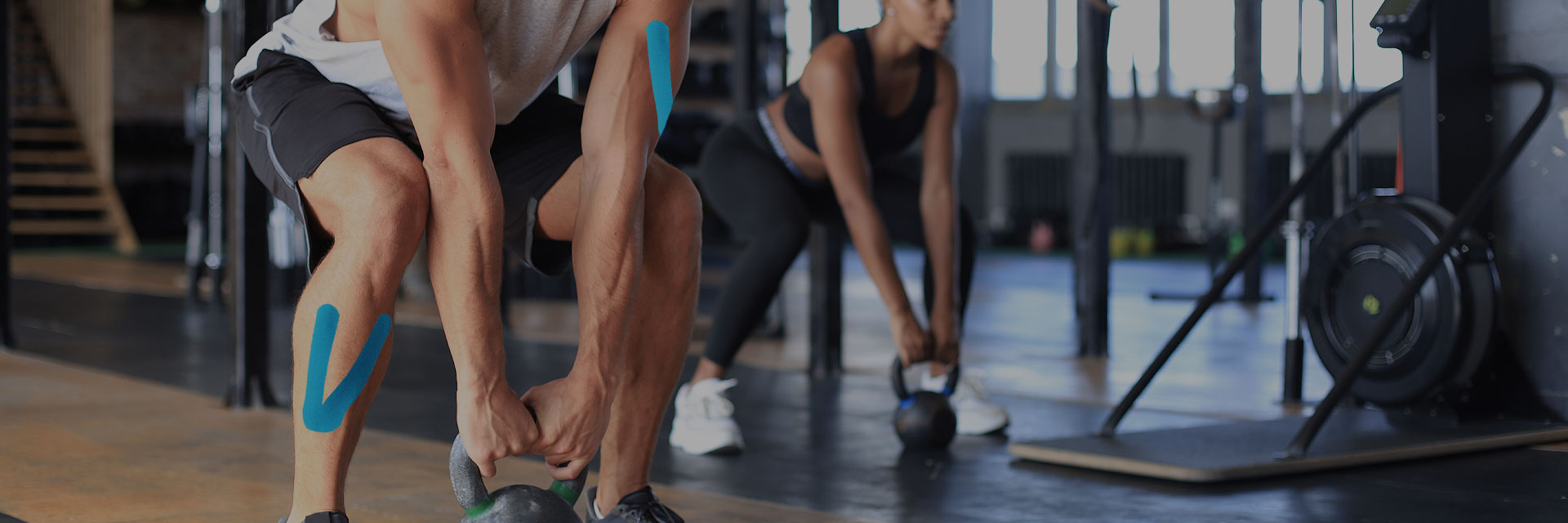
For hospitals, sports medicine brands, pharmacy chains, and distributors sourcing medical tape at scale, the choice of manufacturing partner determines far more than unit price. Adhesive chemistry, backing material selection, coating uniformity, and regulatory documentation all affect clinical performance and import compliance.
Medical tape looks simple on the surface — a roll of adhesive-coated material — but its performance depends on precise control over polymer chemistry, coating weight, and substrate consistency. FULUO Medical, headquartered in Zhejiang, China, has specialized in this category since 2007, operating a 20,000 m² production facility with roughly 160 employees and an annual output value of approximately $18 million USD. The company has also built a notable export track record, holding an estimated 30% market share in Japan — a market known for strict quality expectations in medical consumables.
This operating history matters for E-E-A-T (Experience, Expertise, Authoritativeness, Trustworthiness) purposes: buyers should look for suppliers who can demonstrate not just factory capacity, but a documented history of adhesive coating, slitting, laminating, and converting at industrial scale. You can review FULUO's company profile and manufacturing history for further background.
Every medical tape is built from three engineered layers, and understanding each helps buyers specify the right product for their end use.
The backing determines flexibility, breathability, and conformability. Common substrates include:
Adhesive chemistry directly impacts skin compatibility and wear time. The two dominant systems are:
A silicone-coated paper or film liner protects the adhesive layer prior to application and is removed during use. Liner release force must be calibrated so it neither sticks too aggressively (slowing production and application) nor releases prematurely during transport.
The table below summarizes the technical trade-offs across the tape categories most frequently ordered by international buyers, based on FULUO's core product range.
| Tape Type | Backing Material | Adhesive | Key Property | Typical Use |
|---|---|---|---|---|
| Kinesiology Tape | Cotton/rayon/nylon knit | Acrylic, wave-pattern coating | 140–170% elasticity, mimics skin | Sports rehab, muscle support |
| Zinc Oxide Rigid Tape | Cotton cloth | Zinc oxide rubber adhesive | Low stretch, high tensile strength | Joint immobilization, strapping |
| PE Medical Tape | Polyethylene film | Acrylic | Waterproof, low-lint | General wound fixation |
| Non-woven Tape | Spunlace/spunbond non-woven | Acrylic (hypoallergenic) | Breathable, skin-friendly | Post-surgical dressing fixation |
| PU Film Tape | Polyurethane film | Acrylic | Thin, moisture-vapor permeable, waterproof | IV site fixation, transparent film dressings |
| Foam Medical Tape | PE/PU foam | Acrylic | Cushioning, conformability | Electrode pads, pressure care |
Buyers can review full specifications for these categories on FULUO's dedicated pages, including kinesiology tape products, medical fixation tapes, and wound care dressings.
Medical tape production runs through several tightly controlled converting stages, and the ability to manage all of them in-house — rather than outsourcing steps — is a strong signal of a supplier's manufacturing depth.
FULUO supplies both medical roll materials — including kinesiology tape jumbo rolls, PU film adhesive rolls, and non-woven adhesive rolls — for converters who finish products themselves, and finished, ready-to-use tape products for brands that prefer a turnkey solution.
For medical-grade materials entering regulated markets, quality control is not optional. A credible manufacturing partner should maintain a dedicated inspection function covering microbiological testing, environmental monitoring, and physical/chemical performance testing (tensile strength, adhesion peel force, elongation, and coating weight consistency). Buyers should request documentation on:
Further detail on inspection staffing and certification scope is available on FULUO's Why Choose Us page, covering quality control, manufacturing ability, and system certification.
Sourcing decisions should be guided by end-use requirements rather than price alone:
Many overseas buyers enter the Chinese manufacturing market specifically for OEM production — private-label finished products, custom widths and lengths for jumbo rolls, custom printing (including digitally printed kinesiology tape patterns), and packaging tailored to destination-market labeling requirements. A manufacturer with in-house coating, printing, and die-cutting capability can typically offer more flexibility on minimum order quantities and turnaround than a trading company reselling third-party production. Details on FULUO's custom development process are outlined on the OEM & Customization page.
China's adhesive converting industry benefits from a dense supply chain of raw material producers (non-wovens, film extrusion, adhesive resin), which shortens lead times and supports competitive per-unit costs at volume. Combined with an export-oriented manufacturer's experience navigating international logistics and multilingual buyer support, this creates a practical sourcing advantage for distributors, hospital procurement teams, and private-label brands worldwide. FULUO Medical's 19-year operating history, dedicated OEM division, and established presence in export markets such as Japan reflect the kind of production maturity international buyers should look for when evaluating suppliers.
To request technical specification sheets, sample tape, or discuss OEM production for your market, reach out through FULUO's contact page.


